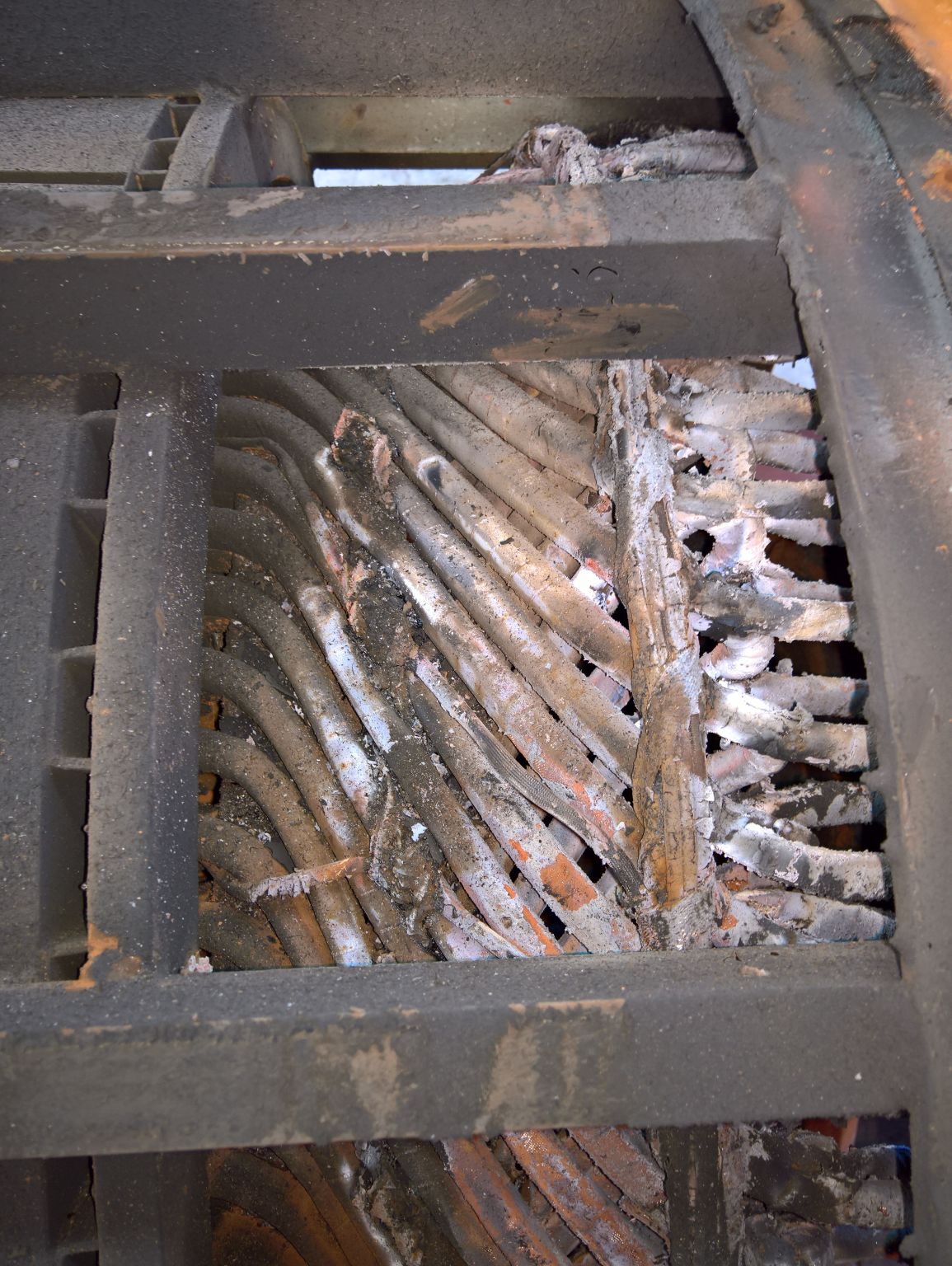
Catastrophic failures are rarely sudden, they are usually the final stage of a process that began months or even years earlier.
Most HV stator failures develop progressively. The insulation system deteriorates due to a combination of thermal, electrical, mechanical and environmental stresses until it reaches a point where it can no longer withstand normal operating voltage.
Common warning signs include:
- Declining insulation resistance (IR)
- Reduced Polarisation Index (PI)
- Increasing Partial Discharge (PD) activity
- Higher operating temperatures
- Increased vibration
- Unusual noise or ozone odour
- Progressive contamination
Individually, these indicators may not appear critical. Together, they tell a story about the condition of the motor. The challenge isn’t collecting data it’s recognising the trend before an unplanned outage occurs.
Most HV motors give plenty of warning before they fail. The key is knowing what to monitor and acting before those small warning signs become major failures.
